In the world of motorcycling there are always plenty of big bikes that the manufacturers are all too ready to sell to us, but power and size aren’t everything.
Some of the most legendary bikes earned their place in history not through brute force, but through a perfect blend of performance, affordability and innovation.
This video celebrates 11 of these motorcycles.
Small but mighty legends that punched well above their weight class, leaving an indelible mark on the hearts and minds of riders everywhere.
It is a list that was bound to be dominated by two-strokes, but we do have an honorary 4 stroke in there, and from agile street bikes to heroes of the dirt bike world, these motorcycles prove that greatness comes in all sizes.
I will start with the more obvious choices and gradually work towards the more unusual and rare choices and hopefully you will appreciate why I included each of the bikes.
A quick reminder too, try and remember to like the video and subscribe to the channel if you haven’t already.
Sharing the video anywhere you think people will be interested helps us a lot too.
But before I go on I have to say a big thanks for all the support, and especially to the BareBonesMC family on the Ko-Fi page. You can find more videos there, and on the Rumble channel, as well as the back up channel here and the blogs on the website, so why not go and take a look, but for now, grab a cuppa and buckle up for this trip into the smaller end of the motorcycle market of yesteryear.
First and most obvious choice today is a bike I talked about in the introduction of the first Dangerous Bikes videos I will link at the end.
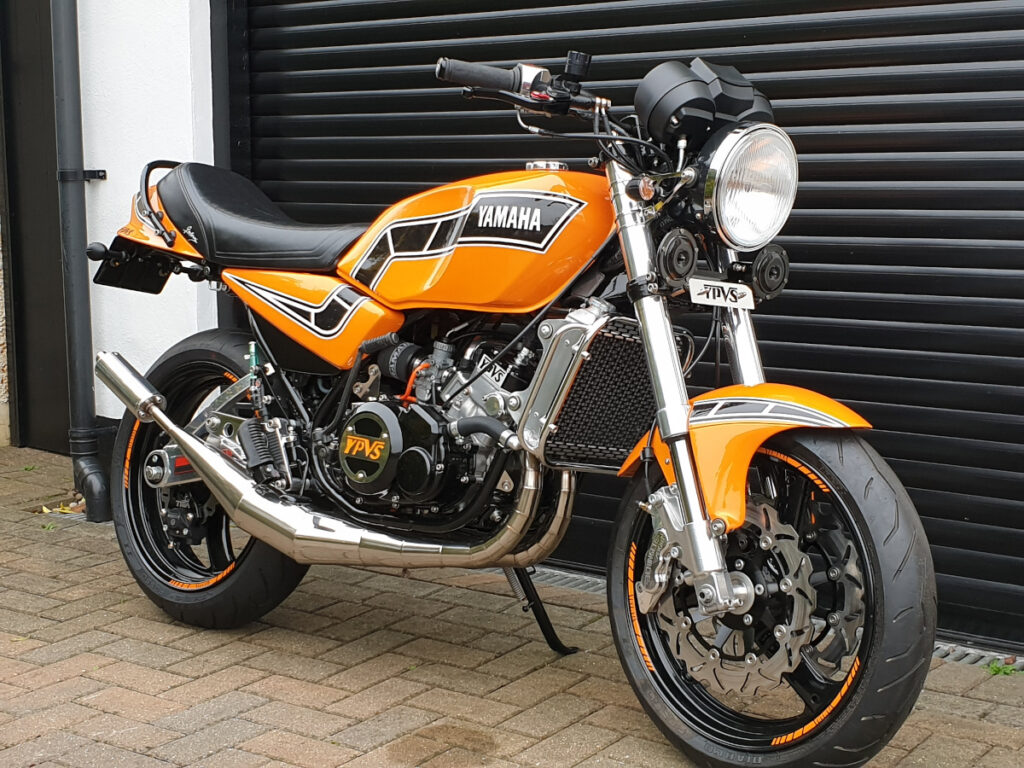
1. Yamaha RD350LC
The Yamaha RD350LC, often referred to simply as the LC, was a game-changer when it arrived.
This lightweight two-stroke twin offered riders an exhilarating experience that belied the size of its engine.
In a world where the fast bikes scene was dominated by the new big fours, expensive Italian exotica, and the Kawasaki Triples, the LC was just a breath of fresh air, with a hint of Castrol R.
The RD350LC’s performance was legendary from the start but got more usable with the second gen power valve version.
It first arrived in 1980 with 47HP, which might not sound much, but dry weight was just 143kg, so each one of those 47 horses went a long way, and the tuners loved them.
By 1983 power was up to around 52HP on the standard YPVS bikes, but weight was above 155kg dry so top speed was similar, but the gen 2 won on acceleration.
1984 saw the introduction of the RD350F which pulled closer to 60HP, and Yamaha had also got weight back down so quarter mile times were down and top speed was up, and the first final version, the F2, would produce around 63HP stock.
It was so popular, that 2 years after Yamaha had axed it from the range in 1988, the Yamaha boys in Brazil decided to start again and built a new RZ350 or RD350R using the last of the F2 parts.
Sadly the writing was on the wall for the 2 strokes and the last of the RD350LC’s rolled out of Brazil in 1992.
The bike had nimble handling and sharp responsive steering that made it a true pocket rocket on the road, but another thing that cemented it in all of our hearts was that this wasn’t some overpriced toy.
It was affordable for everyone, and ease of maintenance made it a popular choice for many riders.
Its was light and compact making it perfect for navigating city streets and twisty back roads, but it still had a comfortable riding position for longer journeys, even for taller riders.
The RD350LC’s influence extended beyond its own model line, laying the groundwork for all the race replica 2 stroke monsters that followed,
The RD350LC democratized speed and brought true race bred performance to the masses.
Today, prices are high, with riders and collectors continuing to celebrate its legacy and it’s story is a testament to the fact that small displacement bikes don’t have to mean small performance.
Next we have a very different bike that has had just as much impact on the industry.
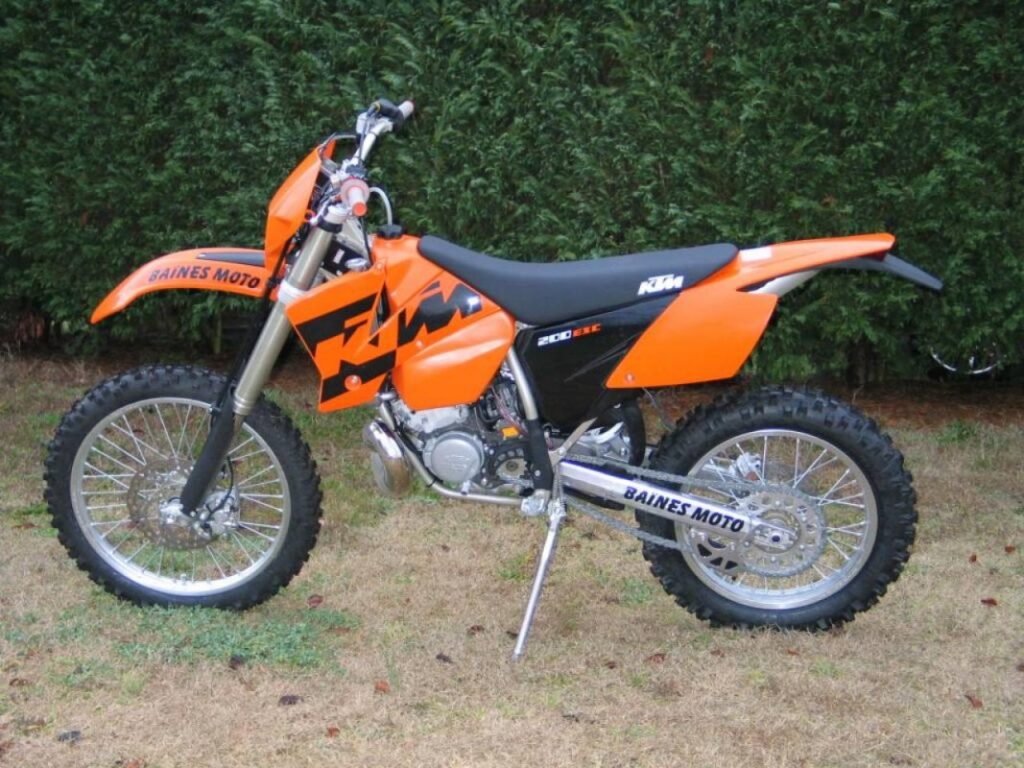
This for me was the bike that made the company. That company was KTM, and the bike was the KTM EXC 125.
2. KTM EXC 125
KTM had become recognised as world leaders when it came to building lightweight, fast off road bikes.
The KTM EXC 125 was to take that all to a whole new level.
A potent two-stroke engine with a nimble chassis made it a formidable competitor everywhere it went. The EXC 125’s engine, though small, gave you sharp, snappy power delivery that was ideal for tackling rough terrain.
It’s lightweight construction made it agile and responsive, and it won many friends in the world of enduro and on the motorcross track.
Most arrive restricted to around 15HP but few stay that way. A half decent one will kick out about 40HP from the crank and some I dare say even more. That means around 35HP reaches the back wheel if you are lucky, and if you don’t think that’s enough, go and take a properly tuned one for a spin.
Because I was that man. I had been lucky enough to be invited to a test day where there were bikes from KTM, Yamaha, Kawasaki and Honda, and I had decided to go with Kawasaki because I wanted to test the KXF450. I loved the KXF, but kept hearing the lilting tones of a little 2 stroke tearing around and went to ask the guys at KTM if I could test one. They had several models there and when he wheeled out a 125 I was a little disappointed if I’m honest.
He just smiled as he explained it was a race prepped bike so to take my time.
From the first take off the EXC was a hoot, and with me in control it was far faster around the tight track than the big 450 had been.
It dumped me on my backside more than once, but its weight meant it could tackle lines the big bikes struggled with, and boy did it fly. Even with my fat backside on it.
The engine was durable too. Yes, I said durable about a KTM and a 2 stroke in the same mouthful, but its true. They will put up with massive amounts of abuse without complaining.
KTM had focussed on robust engineering for once, so this bike could handle the most difficult off-road terrain.
It demonstrated that small-displacement enduro bikes could be just as capable and exciting to ride as their bigger brothers and it helped cement KTM’s place at the top of the dirt bike market.
Next we travel to Italy, and to a much smaller brand.
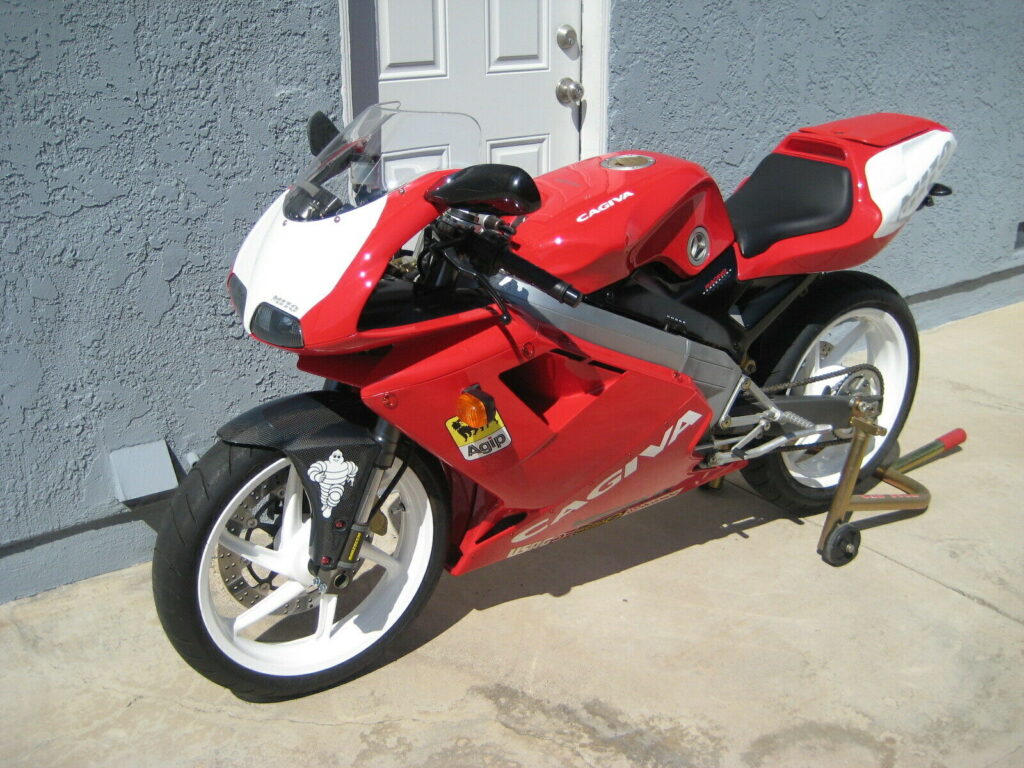
3. Cagiva Mito
Once described as “The horniest-looking, best handling, fastest 125 streetbike in the world”, the Cagiva Mito will always be remembered by anyone touched by them.
Aprilia’s AF1 125 which I will come to shortly, was dominating many markets until this Cagiva Mito came along.
The Mito 125 arrived with a bang in ‘89, but it got even better. The 1994 Evo I model was designed by Massimo Tamburini just after he had penned the iconic Ducati 916.
True, the styling was absolutely amazing, but they were so much more than style.
The Mito was the first bike that Valentino Rossi rode in anger, winning the Italian sports production championship in 1994 before setting off on his meteoric rise to the top.
Back then, the Mito was just about as cool as any bike got.
The 125cc liquid-cooled, two stroke single was initially derived from the Yamaha TZR engine, but by the time the Cagiva Race department had breathed on it, it produced around 34 hp at 12,000 rpm and 16.9 lb.-ft. of torque at 11,000 rpm.
To help keep the engine in that narrow, peaky powerband, the early Mito had a seven-speed gearbox, but it could be fragile, so by 1998 when the Evo II arrived, they went back to a traditional six-speed box.
The engine was light as well as fast. It meant that even with the bodywork and that terrific twin-spar aluminum chassis that would easily handle three times the power developed. it weighed just 117kg or 258lbs dry.
40mm inverted Marzocchi forks and a Sachs rear shock meant you got racetrack handling on the road, and with it, a breathtaking and exciting ride. A big 320mm Brembo front disc with a four-piston caliper, also meant it had amazing stopping power.
Surprisingly it is also fairly comfortable, for a sports bike, even for a 6-footer like me, although to be honest, im not sure I would fold up so well these days.
It has none of the twitchiness you’d expect from a 125 sports bike either.
Where the Mito really scored over its rivals was the usability of that engine. There isn’t much power before 3,000 rpm as you would expect, but once you pass that number, the hedges begin to fly by pretty quickly. You can hit 60 mph in around 7 seconds from a standing start, and by the time the engine finds 11,000 rpm in top gear, you should be doing more than 100 mph.
The Cagiva Mito could easily be mistaken for its bigger Ducati brother the 916, it is only the exhaust note and size that give the game away. It will always be compared to the ever-popular Aprilia RS, but the Mito was an altogether classier act.
Next we go back to the land of the rising sun and again it is Yamaha who get the glory, with a bike that in many ways is in a class all of its own.
4. Yamaha TDR 250
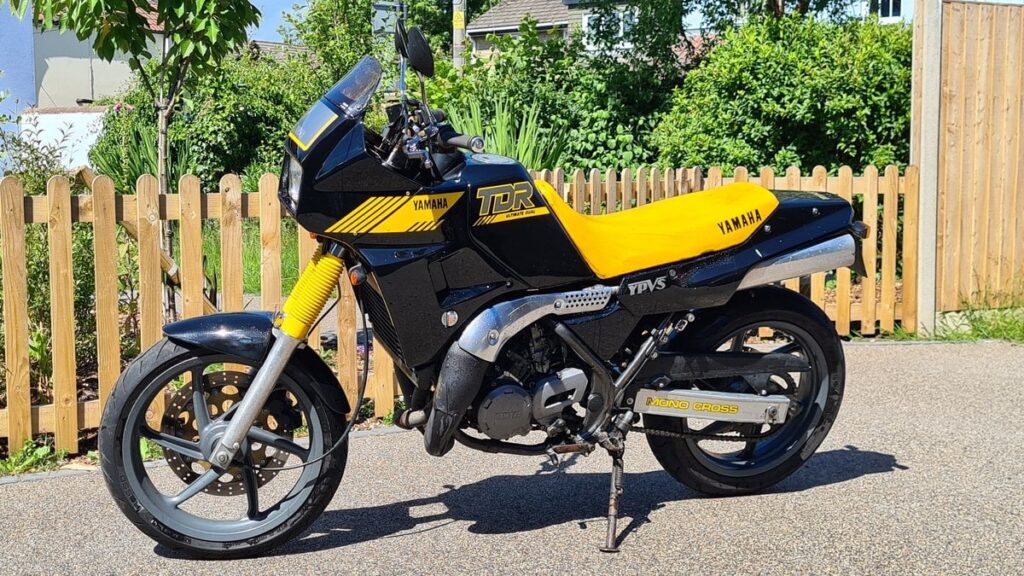
The Yamaha TDR 250 was an unconventional machine that defied categorization. When it came along in 1988 this quirky dual-sport combined the heart of a performance two-stroke with the versatility of a true off-road machine.
Its liquid-cooled, 249cc parallel-twin engine, came from the TZR250 sports bike. It was well proven and delivered around 45HP. That meant the TDR was equally at home on paved roads and dirt trails, it would even sit on a highway when needed.
The TDR 250 wasn’t just about performance though it was practical. Its upright riding position gave you a commanding view of the road in towns and long-travel suspension provided comfort and control even on gnarly trails.
Its rugged construction ensured durability, and although not a commercial success, the TDR 250 earned a cult following among riders who appreciated its unique blend of performance and versatility.
Built now, I am sure it would be the best selling motorcycle on the planet, but alas those days are gone, unlikely to return, and good second hand ones are about as rare as hens teeth these days.
The TDR 250’s story is a reminder that new ideas don’t always translate into mainstream popularity at the time, but the TDR 250 left a lasting impression on many riders over the years and it would be applauded back onto the market by all today.
Staying in Japan we have a bike that has a long and distinguished line of heritage and is our honorary four stroke today.
5. Honda CB400 Super Four
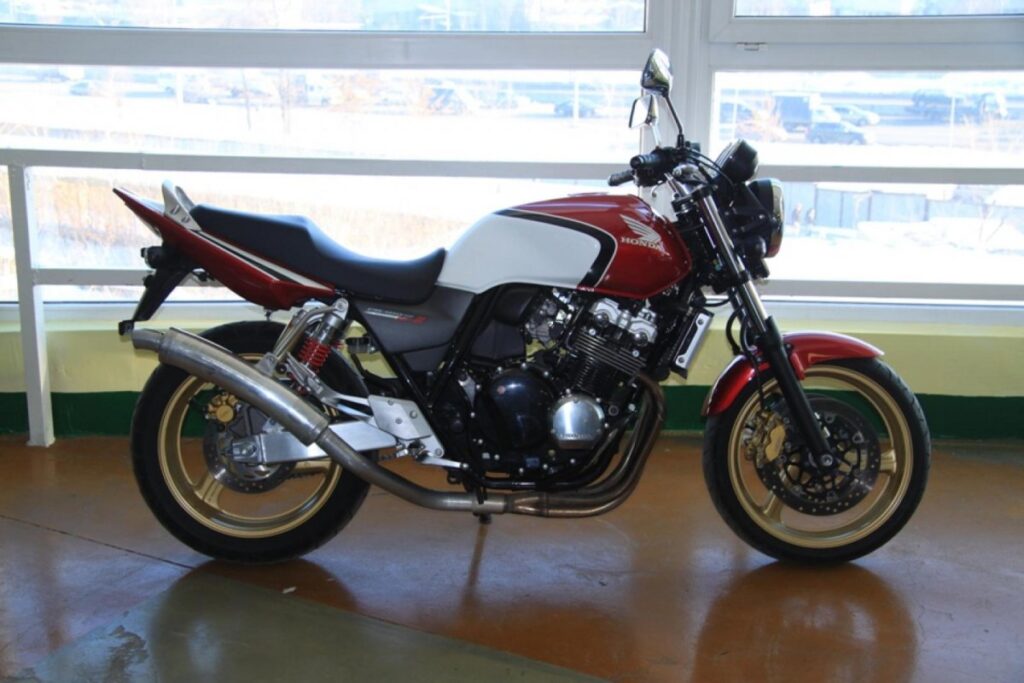
The Honda CB400 Super Four, is a prime example of Honda’s engineering finesse. This inline-four-cylinder motorcycle, though not the most powerful in its class, gained a reputation for its smooth power delivery, refined handling, and exceptional build quality.
Descended from the CB400F Supersport, it also had the CBX400 and the CB1 in its exalted lineage, so its heritage is unquestionable, and this really was the best of all of those bikes rolled into one neat little package.
Often simply called the “SF,” The Super Four’s engine, despite its modest size, provided clean linear and predictable power that made it a joy to ride in any conditions.
Its balanced chassis and responsive handling made for a glorious riding experience.
The CB400 Super Four was a demonstration that refinement and balance can be just as important as outright power.
This was the epitome of the Universal Japanese Motorcycle and was made for the rest of the world because we screamed so loudly when the CB1 was announced as a Japanese only market bike that even Honda found it hard to ignore.
Customer sentiment doesn’t always make a difference, but this time it did, and for the next 30 years Honda would keep it in their line up.
Not many bikes will survive the changes in customer demand for that long.
Over time there were many changed, not least being the change to variable valve timing in 1999. The Vtec system was lifted straight out of the VF800 and made the CB400 Super Four even more fun to ride, but even the best things must come to an end and in 2022 the last Super Four left the factory.
The final NC42E models were dubbed the SF Hyper VTEC Revo and were only available in Japan, South East Asia and Australia as far as I am aware. But I think the differences were minor.
It reminds me of the old adage, “If it ain’t broke, don’t fix it” and I wish more manufacturers would spend more time focussed on real engineering developments rather than flashy new paint jobs.
If they did, maybe the models would last a bit longer in the line up.
But I digress.
Next we return to Italy
6. Aprilia AF1 125 FUTURA
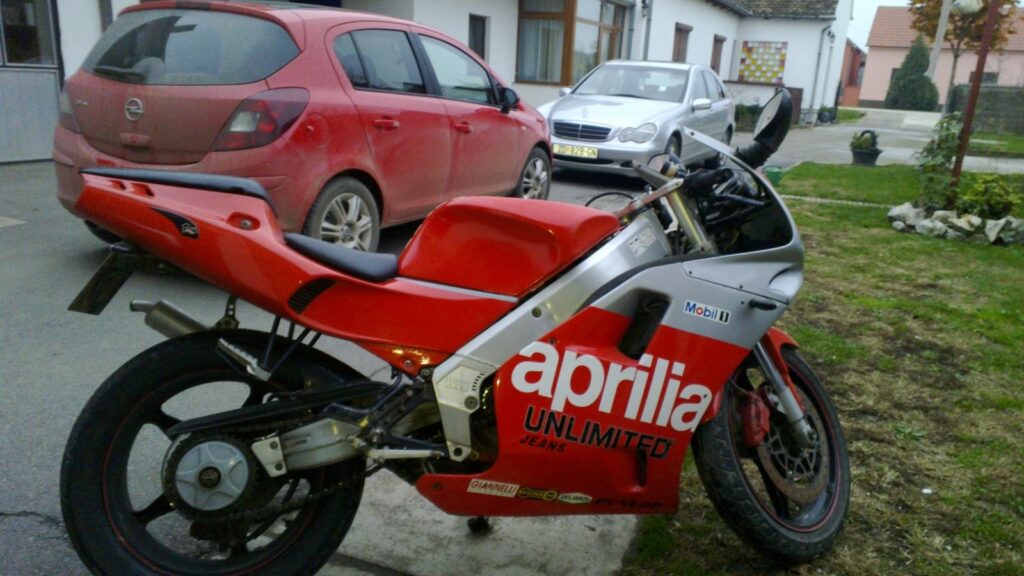
In 1985 when we got the first glimpse of the new Aprilia AF1 125 Futura I dont think anyone really believed the hype, but no one could argue with the style.
The first generation didn’t get to market until 1988. It used the Rotax model V127 2 stroke engine and produced around 27HP, but changes came thick and fast and before the end of the year a new Rotax V123 engine producing almost 30HP was being used.
At the start of that year it would reach 158kmh leaving it just short of the 100mph mark, but by the end of the year it had been pushed to 167kmh passing the 100mph mark with a top speed of around 104mph straight from the factory.
Beyond its engine, the AF1 boasted many advanced features for its time, but it was the single-sided swingarm and upside-down forks that stole the show. They just added to the visual appeal of what was already a stylish bike.
Aprilia and Rotax were pushing everything into the bike and by the time it was replaced with the RS125 they had it reaching 170kmh plus or over 105mph and there were so many changes even within the same model designation that it was almost impossible to keep track.
Aggressive bodywork made it look fast before you started it, and a sporty riding position gave it a real race-bike feel.
The AF1 125 Futura offered a thrilling rider experience in a small bore package. Proving that small-capacity sports bikes could be just as exciting as their bigger brothers.
The bike was universally praised for its handling by the press, and it was the stepping stone that would lead Aprilia on to build the now infamous RS125 which I could just as easily put on the list, but without the AF1, the RS125 may never have existed, so I gave the AF1 125 Futura the place it deserves here.
We stay in Italy for a while now and next we have 4 bikes which I will group together.
7. Gilera 125KZ, Gilera 125KK Gilera SP01 and SP02
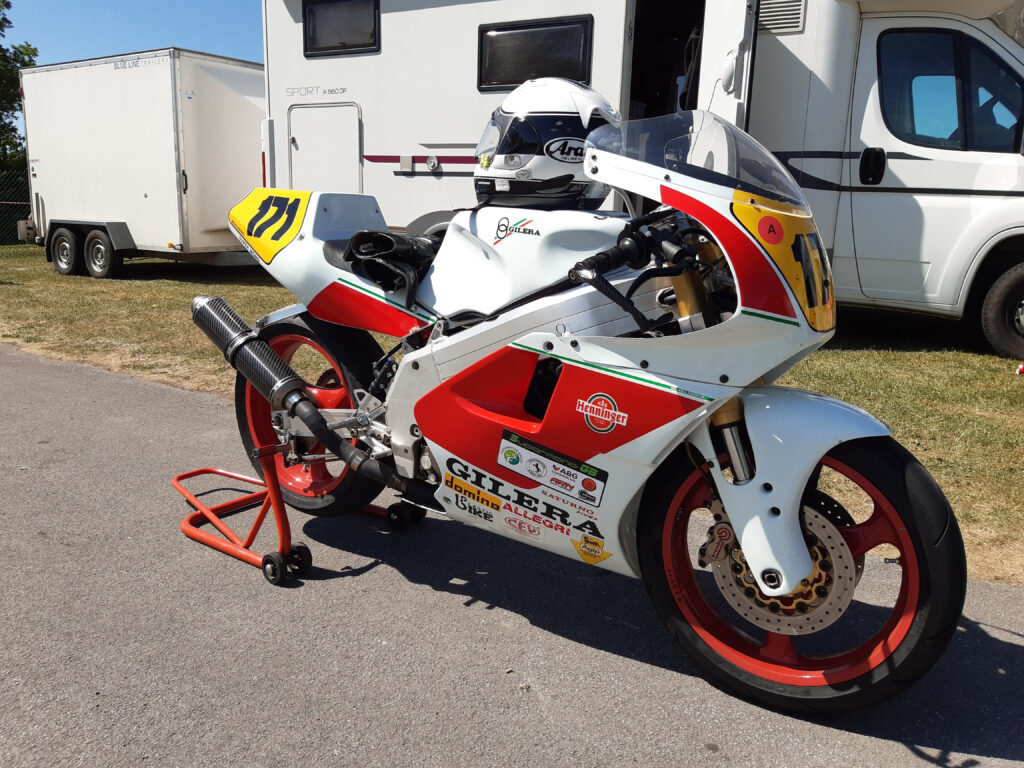
The Gilera 125KZ from 1986, 125KK of 1987, the SP01 from 1988 and the SP02 from 1990 are all very special little bikes spawned by Italy’s racing scene.
The 125KZ was launched in 1987, and it was a statement of intent. This was the beginning of an all out war in Italy’s 125 racing scene.
Gilera knew what Aprilia had coming and the KZ was rushed to market, the engine was already producing almost 30HP and got over 25 of that to the back wheel, so the Gilera was fast, not just fast for a 125 it was more rapid than many 250’s of the day.
The 125KK used the same engine as the KZ and the only real difference seems to have been the addition of an extra fuel cell underneath the engine, but that did add some extra weight.
The engine was smooth too with a counter rotating balance shaft, but it still produced the power.
The 125KK was a beast on the track, with acceleration and top-end speed to match anything in its class. The question was, would the Aprilia be faster? and when would it finally arrive?
Just a year later, in 1988, Gilera introduced the SP01, marking the next chapter in their 125cc story.
The SP01 took the raw power of its predecessor up a notch and would produce around 35HP at the crank. Acceleration was only a little better but at the top end it had almost 10mph on the earlier bikes.
It was a few Kilo’s lighter than the KK too, with an all new stiffer, sharper chassis that looked straight out of Niko Bakker’s sketch book.
These refinements to the chassis and suspension gave it extra strength and resulted in even sharper handling, making the SP01 hard to beat both on the track and on winding roads.
Moving forward to 1990, the SP02 benefited from upside down forks, which improved handling, stability, and rider comfort.
So from the groundbreaking 125KZ, and raw power of the SP01, to the more refined performance of the SP02, they represent a golden era of 125cc racing.
They were machines built for speed, and handling, and they captured the hearts of the people who rode them.
They all had exhilarating performance.
They may not have left the indelible mark on the motorcycle world that the Mito and Aprilia did, but they were their equal in many ways.
All of these Gileras are more than just motorcycles. They are symbols of an era defined by passion, speed, and a relentless pursuit of engineering excellence.
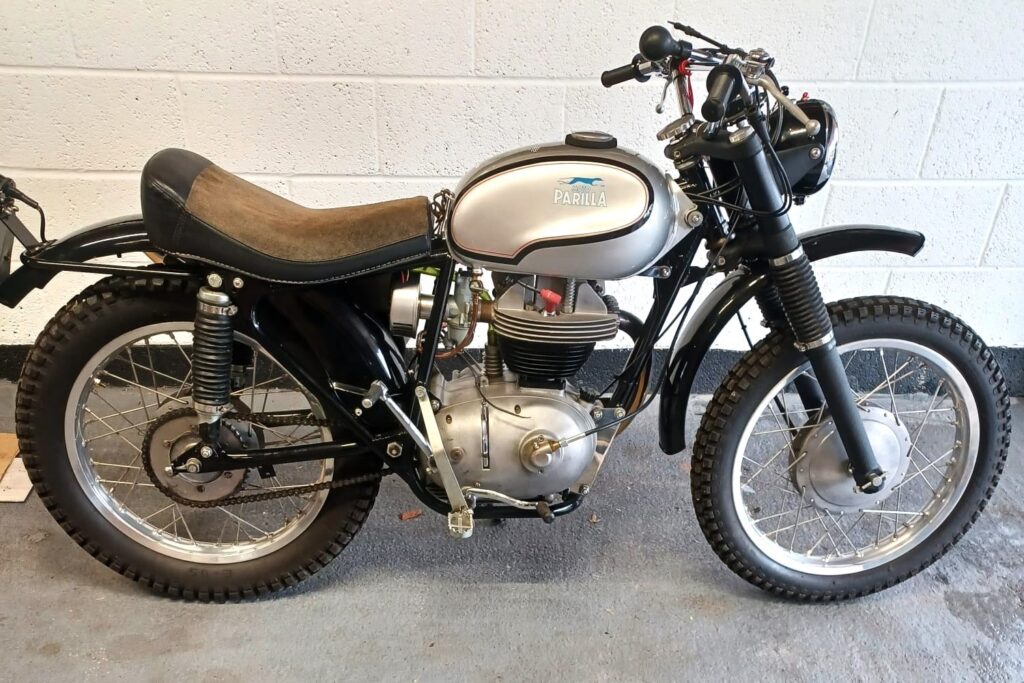
Next we stay in Italy, but go back in time and get a little more exotic. You see even most serious Italian motorcycle collectors will concede that Parilla are a cult collectors bike.
8. Parilla Wildcat 250
But the Parilla Wildcat 250 is one of those bikes where the end result is just so much more than the sum of its parts.
Moto Parilla was founded in 1946 in Milan by Giovanni Parilla. Giovanni created a full-bore, thoroughbred, 250cc, single-overhead-cam road racer that was soon rivaling Moto Guzzi in Italian road racing.
In the years that followed, the Parilla-designed engine would become legendary.
In 1958 Giovanni travelled to America to race in the 250cc Grand Prix at Daytona. Unknown up until then in the States, the 175cc machine won the 250 Grand Prix by a huge margin, and With scrambles gaining popularity, the American distributor Cosmopolitan Motors requested a dirt bike with a full 250cc engine.
The Wildcat was the result. A 250cc four stroke overhead cam dirt bike that came with the road race engine from the very expensive Parilla Grand Sports model, and it was built strictly for the American market.
Power was claimed to be around 30 horsepower at 9500 rpm. And remember, this is in the days before the two-stroke revolution.
The Parilla’s main competition in the 250 class was the Triumph, and racing the Wildcat Scramblers against the Triumph Cubs was once described as like stealing candy from a baby.
What is it they say? The taste of victory is priceless, so even though the Wildcat cost nearly double what the Triumph Cub cost, it sold pretty well.
The 1962 retail price was $729, which if my calculations are right, would put the price at around $7000 or £5270 today before any taxes, for a world beating, hand made motorcycle, that sounds like one helluva bargain to me, unless I’ve done the sums wrong.
The Wildcats featured suede seats, reverse-cone megaphones, side float-bowl 28mm racing Dell’orto carbs, friction steering dampers, leather straps holding the tank down, and right-side shifting as was the norm in Europe at the time.
Unfortunately for Parilla, by the mid-1960’s the two-strokes arrived. Bultaco, Greeve, Ossa, Husqvarna and CZ made the four-stroke Parilla obsolete.
The company was bought by a holding company in 1962, but the new owners went out of business in 1967 and the name died there sadly.
Another case of what might have been.
Next we go to a country I am guessing most of you wont expect to see on this list.
9. Casal Magnum 50cc
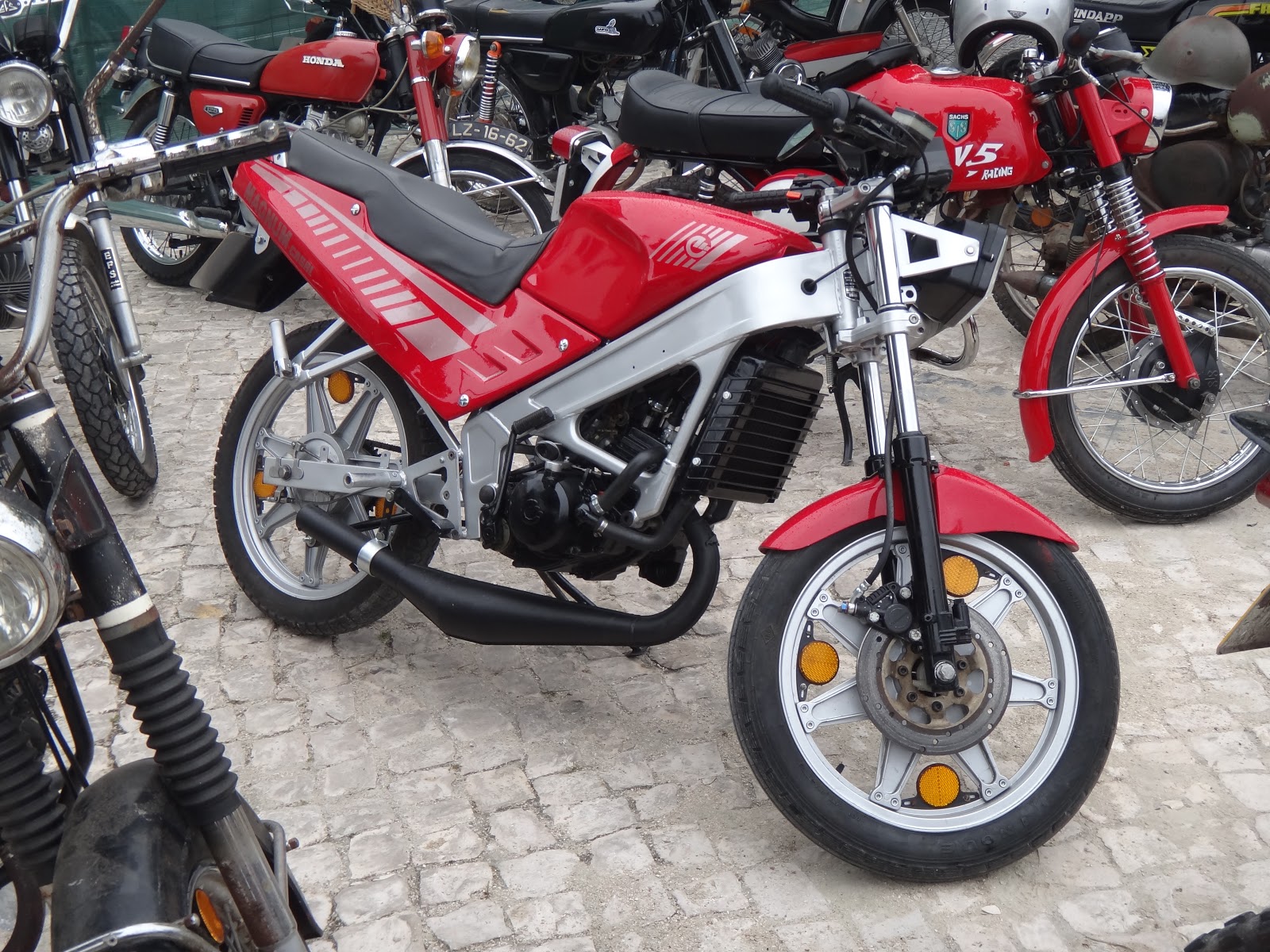
The Casal Magnum was made in Portugal in 1992 by a company called Metalurgia Casal.
On one level it was simply a small displacement moped, but it might well be one of the fastest small displacement mopeds ever made.
Metalurgia Casal was founded in 1964 by João Casal but it was Robert Zipprich along with the engineers and technical managers from the former Zündapp company who were at its core.
These engineers had built world beating bike engines in Germany and had a mission.
Portugal, which was Casal’s main market was in trouble economically so the focus was on cheap affordable transport, but they did exported about 10% of the production, mainly to the UK, the Netherlands, Denmark, and Sweden.
Initially they were succesful and the engines were fantastic.
In 1980, Jan Nijhuys set a 50cc quarter-mile record of 15.26 seconds with a terminal speed of 94.29 km/h or 58.5mph on a Casal Sparta Plompen. Then, in the early 70’s they began collaborating with the Dutch company HuVo, and in 1981, Dutch racer Jan Huberts set an unbelievable 50cc speed record of 224 km/h or almost 140mph using a HuVo-Casal motorcycle.
Just imagine that for a moment. 140mph on a 50cc bike.
Casal even entered the 80cc World Motorcycle Championships during the 1984 and 1985 seasons, achieving some great results, but there were clouds looming.
As Portugal’s economy improved, but that meant that the demand for mopeds declined, and as with many other companies Casal suffered. That finally led to bankruptcy in February 2000, but it was a slow road.
The Casal Magnum was in many ways the last roll of the dice for the company and released in 1992 it was a great bike. The engine was strong for a 50cc bike and the lightweight twin beam chassis was straight off the Grand Prix circuit.
This little moped defied all expectations. An unassuming bike, it boasted a six-speed gearbox and a surprisingly potent engine, earning it the title of the fastest 50cc production motorcycle by the international Press at the time and I honestly don’t think anyone has made anything faster since.
The Magnum’s performance was rooted in the solid engineering skills of the team from Zundapp and the design expertise of the Dutch engineers at HuVo.
Together they pushed the boundaries of what was possible when it came to small engines.
While not a commercial success, the Magnum 50’s story shouts of the ingenuity and ambition of this small company who dared to challenge the big boys.
It showed that passion, innovation and a drive for performance can create something truly remarkable, even in the smallest of packages.
Unfortunately it wasn’t enough, but after stopping motorcycle production in 2000, Metalurgia Casal took on the distribution and servicing of Suzuki products in Portugal. So the name wasn’t lost completely.
Lastly we have another family of bikes, and a family of owners who are blessed with the bikes with the best names ever to be given to any motorcycles.
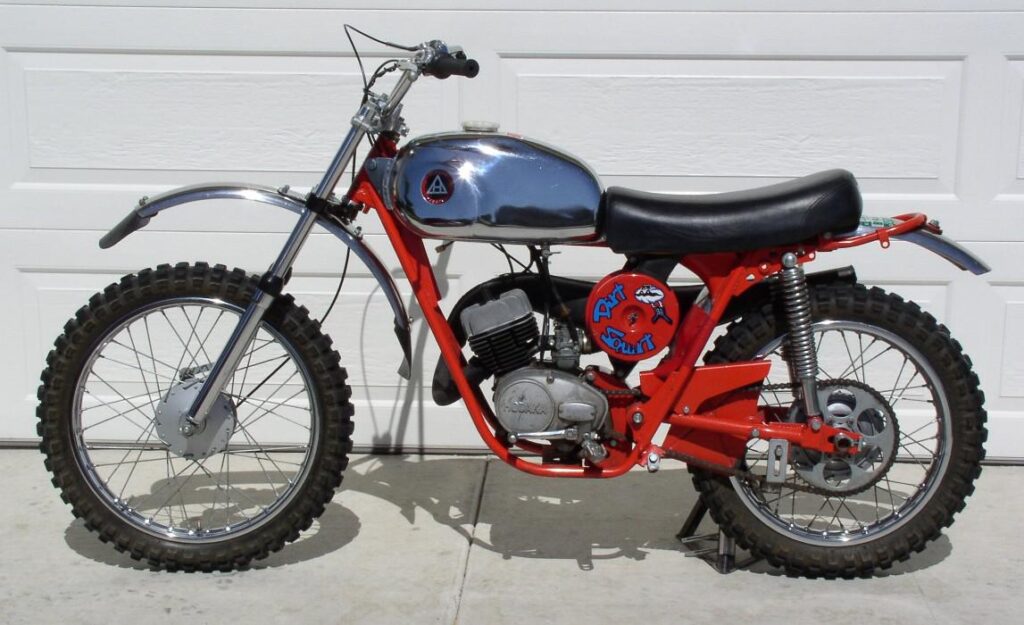
10. Hodaka
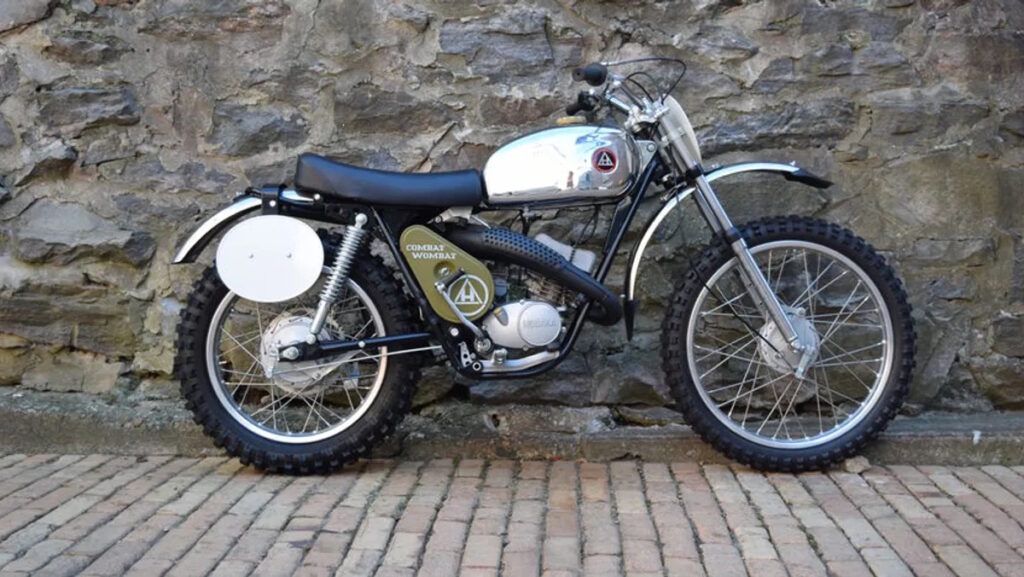
Believe it or not at one time Hodaka was THE off-road bike to own in America. They were the “Family Toy” of the 60s and 70s, and became a symbol of family fun.
Honda were making a killing and so suddenly, every Japanese motorcycle manufacturer wanted a piece of the pie.
The Pacific Basin Trading Company or PABATCO, from Oregon, were looking to trade Oregon’s agricultural produce for international goods.
They began by importing Yamaguchi’s 49cc and later 80cc bikes, but the cutthroat world of motorcycle manufacturing claimed another victim, and Hodaka stepped in to fill the void.
PABATCO had dealers screaming for the bikes, and so decided to make their own.
As the story goes, the initial sketches were done at the local pub, but they took styling cues from the British-made Cotton off-road race bike of the day.
They cobbled together a prototype, put it through its paces, and jetted off to Japan to try and seal the deal with Hodaka, who would not only supply the engines but assemble the entire bike in Japan, and in 1964, the Hodaka Ace was born.
The tiny 90cc street-legal bike was lightweight, with a high-mounted exhaust, and was a demon in the dirt.
At the time, the competition was practically nonexistent.
Harley Davidson werent exactly focussed on off-roading, and other Japanese imports were clunky in comparison to the Hodaka. The only real alternatives were expensive, heavier, high-maintenance British imports.
So Hodaka won hands down.
The Ace 90, with its little 8hp engine punched way above its weight, and with a price tag of just $379, the bikes flew off the shelves.
As one Hodaka Super Combat racer put it, “There was a feeling that these bikes were designed by people who actually rode them.”
Racers began modifying their Aces for motocross, trials, hare and hound, and enduro racing and the Ace 90’s dominated their class in races like the Greenhorn Enduro, the National Trail Bike Championship, and the Pike’s Peak Hillclimb.
In 1968, the Ace 100 came with a bigger engine, an extra gear, and beefier rear shocks. Sales grew and Hodaka even started supplying engines to other frame builders like the renowned English frame builders Rickman, who crafted a stunning chrome and blue off-roader using a Hodaka engine.
1969 saw Hodaka unleash a wave of purpose-built race bikes with names like the Super Rat, the Wombat, the Dirt Squirt, the Combat Wombat, and fastest of all, the Super Combat.
Life was good, but as they say, nothing lasts forever.
Seeing Hodaka’s success,the big Japanese manufacturers decided to enter the off-road world and Hodaka couldn’t keep pace with the R&D of the Big Four.
They didnt give up though, Hodaka released the Thunder Dog and the Road Toad with larger 175cc and 250cc engines, but sales were on a downward slide and the market they had helped create started to slip away.
The final blow came in 1978 when parent company Shell Oils finally pulled the plug on PABATCO.
On that sad note we reach the end of today’s list.
As always I have to stop somewhere.
There are many others that could have been on this list like the Aprilia RS125 and 250, the older air cooled RD range, the NSR and RGV race reps and more, many I have already featured in other videos, some of which are linked in the description.
All will find a place in time.
These particular motorcycles, each with its own unique story and character, all demonstrate that size isn’t everything in the world of motorcycling.
They highlight the importance of innovation, accessibility, and the pure joy of riding, regardless of the size of the engine.
They are a testament to the fact that small can indeed be mighty, and they have all left a lasting impact on the history of motorcycling.
Anyway, that’s it for today. I hope you enjoyed it.
Let me know which bikes you think should have been included in the comments below.
Thanks as always to everyone for all the support.
Try and remember to like the video and subscribe if you haven’t already and sharing the video anywhere you think people will be interested helps us a lot too.
PUT SLIDE IN https://ko-fi.com/barebonesmc
If you would like to help us stay truly independent, you can make a one off donation or join our group of monthly subscribers on the Kofi link in the description. There you get access to a private group where I share videos I just can’t screen on youtube
Join us on Rumble too, The channel is new, but it already has some great content.
And don’t forget, we make the The Best Biker T-Shirts too.
Have a great week.
And always remember, keep your spanners close, and your keys even closer
Ride Free everyone.
More Footage
Links
https://youtu.be/4DjbZSX2GKQ?si=i-lEP_EwubbD2njG